
Commercial Fire Public Adjuster


We Will Help You Get The Most Out Of Your Fire Damage Insurance Claims




Is a Commercial Fire Public Adjuster Worth The Cost?


Fill Out Form
Fill out our quick form, and we’ll get started on reviewing your commercial fire damage claim. No obligations.


We Maximize Your Claim
We’ll assess the fire damage, handle the negotiations with your insurance company, and work to maximize your commercial claim.

Receive Your Settlement
Receive your settlement quickly—so you can focus on getting your business back up and running.
After a fire, the survival of your business hinges on one critical factor: the insurance settlement. The path to a fair recovery is often a complex maze, where the burden of proof rests entirely on you.
Your insurance provider has its own adjuster focused on protecting their interests. This creates an immediate imbalance, leaving you to explore detailed policy language and document every loss, from structural damage to business interruption.
A commercial fire public adjuster levels the playing field. These state-licensed experts work exclusively for you, the policyholder, with a legal duty to protect your financial interests.
They act as your dedicated advocate, managing the entire claims process from initial damage assessment to final negotiation. Their expertise ensures that hidden damages are found and all aspects of your loss, including lost income, are accurately calculated.
Making an informed decision about hiring the right professional involves understanding their distinct role, the services they provide, and the financial return they can deliver. This knowledge is crucial for transforming a potential catastrophe into a successful recovery.
What Is A Commercial Fire Public Adjuster And How They Differ From Other Professionals
When a fire damages a commercial property, a team of professionals arrives on the scene. Not all of them, however, are there to serve the business owner’s interests.
A commercial fire public adjuster is a state-licensed insurance professional whose sole allegiance is to you, the policyholder. Hired directly by the business owner, they manage the claim from start to finish to protect your rights and maximize your settlement.
Core Role And Responsibilities In Commercial Fire Claims
A public adjuster acts as your exclusive advocate, leveling the playing field between your business and the vast resources of an insurance company. Their work is a meticulous and exhaustive effort to secure the full and equitable settlement you are entitled to under your policy. This process involves several key responsibilities:
• Thorough Policy Review: They interpret the intricate language of your commercial policy to identify all applicable coverages for your loss.
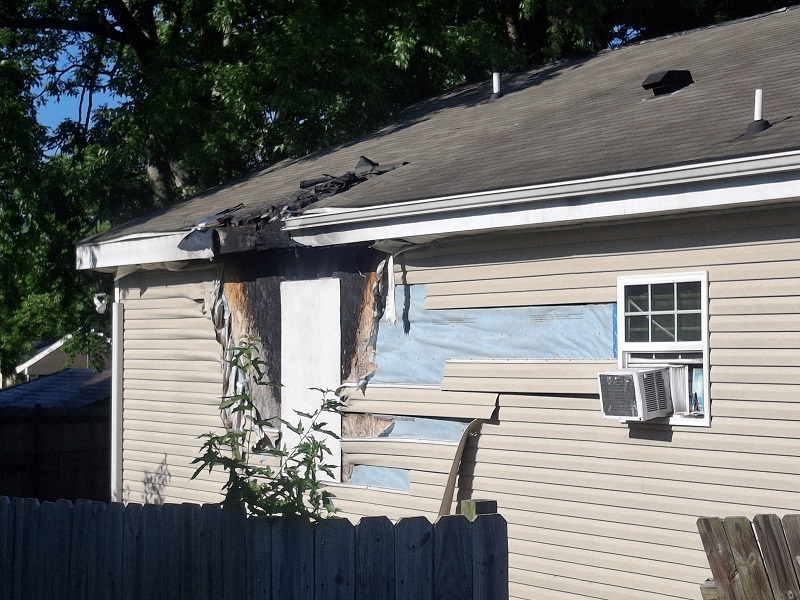
• Detailed and Thorough Damage Evaluation: They document all damages, including not just fire destruction but also the often-overlooked impacts of smoke, soot, and water from firefighting.
• Detailed Valuation: They calculate the value of damaged business property, inventory, and the entire range of business interruption losses.
• Claim Management and Negotiation: They package the detailed claim and negotiate directly with the insurance company on your behalf, handling all communications
Commercial Fire Public Adjuster Versus Insurance Company Adjuster
The most critical distinction lies in who each adjuster represents. A commercial fire public adjuster works exclusively for the policyholder. Their compensation is a pre-agreed percentage of the final settlement, aligning their financial incentive directly with yours.
In contrast, the adjuster sent by your insurance provider works for the insurance company. This individual is either a company adjuster (a direct employee) or an independent adjuster (a contractor hired by the insurer).
In both cases, their primary duty is to protect the insurance company’s financial interests. While they assess the damage, their goal is often to interpret the policy in the insurer’s favor and minimize the payout, not to find ways to maximize your coverage.
Commercial Fire Public Adjuster Versus Fire Damage Attorney
While both public adjusters and attorneys advocate for the policyholder, they operate in different arenas. A public adjuster is an insurance claims specialist whose expertise lies in policy interpretation, damage valuation, and financial negotiation.
Similarly, a fire damage attorney is a legal expert. Their involvement becomes necessary when a legal dispute arises, such as an insurer acting in “bad faith” by unfairly denying a claim or refusing a reasonable settlement.
If negotiations stall and litigation is required, an attorney files a lawsuit. Public adjusters and attorneys often collaborate, with the adjuster establishing the claim’s full value and the attorney using that valuation in legal proceedings.
Licensing Requirements And Professional Standards For Commercial Claims
A legitimate public adjuster is a licensed professional held to high ethical and legal standards. Most states mandate that public adjusters meet strict criteria before they can practice. These requirements typically include:
• Passing a rigorous state licensing exam
• Undergoing a thorough background check
Being bonded to protect clients
The licensing framework provides a crucial layer of protection for business owners. It guarantees that the advocate you hire is qualified, accountable, and equipped to represent your best interests with integrity.
Comprehensive Services Provided By Commercial Fire Public Adjusters
A commercial fire public adjuster’s role extends far beyond a simple damage estimate; they orchestrate the entire claims process for you. Their specialized skills are used to build an undeniable case for the full value of your loss, securing the financial resources necessary for a complete business recovery.
Advanced Fire And Smoke Damage Assessment Techniques
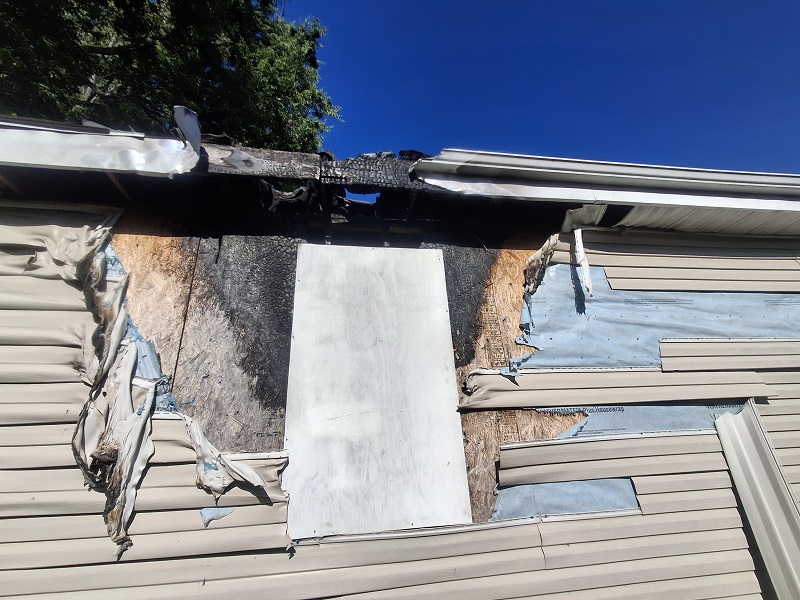
While an insurance company’s adjuster may perform a quick visual inspection, a public adjuster conducts a forensic-level investigation. They understand the most significant damage is often hidden, so their assessment goes beyond charred structures to identify the true scope of the loss. This detailed evaluation includes:
• Structural Integrity: Evaluating heat-weakened steel beams, compromised concrete, and other structural issues that are not immediately visible.
• System-Wide Damage: Inspecting electrical, plumbing, and HVAC systems for damage from heat, smoke, and corrosive soot that can cause future failures. Extensive Contamination: Using specialized tools to detect how thoroughly smoke and soot have penetrated walls, insulation, and ductwork, which can render areas unusable.
• Water Damage: Documenting secondary damage from fire suppression systems, which often leads to mold and structural decay if not claimed correctly.
These findings are thoroughly documented with photos, videos, and detailed notes. The complete and meticulous record becomes the unshakable foundation of the insurance claim.
Business Personal Property Inventory And Valuation Methods
For most businesses, the contents inside the building are as valuable as the structure itself. A public adjuster undertakes the detailed task of creating a complete inventory of all damaged business personal property.
The process goes beyond major assets, cataloging everything from specialized machinery and computer systems to office furniture, raw materials, and finished stock. After the inventory is complete, each item must be accurately valued based on key policy definitions.
Public adjusters are experts in determining whether an item’s value is based on its Replacement Cost (RC) or its Actual Cash Value (ACV).
• Replacement Cost (RC): The price to buy a new, similar item today.
• Actual Cash Value (ACV): The replacement cost minus depreciation due to age and wear.
The distinction is critical and can dramatically impact the final settlement. Their detailed analysis ensures nothing is overlooked or undervalued by the insurance company.
Specialized Coverage Analysis Including Bailee Insurance Claims
Commercial insurance policies are dense and complex documents. A public adjuster meticulously reviews your policy to uncover all possible coverage options.
They search for extensions, endorsements, and clauses that can be leveraged to maximize your claim. This expertise is particularly essential in unique situations, like claims involving customer property.
If your business holds items for others—such as a dry cleaner, auto repair shop, or warehouse—you may need to file a Bailee Insurance Claim. A public adjuster understands this specific coverage, ensuring claims for your customers’ damaged goods are properly documented to protect your business’s reputation and finances.
Business Interruption And Additional Living Expense Calculations
A fire doesn’t just destroy property; it halts your entire operation. A public adjuster is skilled in calculating the complex financial losses resulting from this downtime.
• Business Interruption: This coverage addresses the profits you would have earned if the fire had not occurred. The adjuster analyzes historical financial data and market trends to project lost income while also covering continuing operating expenses like rent and salaries.
• Extra Expense: This coverage pays for additional costs needed to minimize the shutdown and keep the business running. Examples include renting a temporary location, leasing replacement equipment, or paying overtime to accelerate recovery.
By thoroughly examining and recording these financial losses, a public adjuster ensures your claim covers more than just rebuilding costs. It also provides the capital needed to survive the recovery period.
Strategic Timing And Circumstances For Hiring A Commercial Fire Public Adjuster
Understanding what a commercial fire public adjuster does is one piece of the puzzle. Knowing when to hire one is a strategic decision that can define your financial recovery. While minor incidents may not require assistance, certain circumstances make professional advocacy essential for protecting your business.
Optimal Engagement Timeline After Commercial Fire Incidents
The ideal time to hire a public adjuster is immediately after a fire, as early engagement sets the strategy for the entire claims process. An expert on-site from day one can manage initial inspections and ensure all damage is documented before evidence is disturbed.
They also guide you through immediate policyholder duties, like mitigating further loss, without jeopardizing your claim. This proactive approach builds the claim on a solid foundation, preventing costly mistakes or the need to challenge an inadequate offer later.
Warning Signs Your Insurance Company Is Undervaluing Your Claim
Your insurer employs a team of experts focused on its own financial interests. A public adjuster becomes your dedicated advocate, especially when you encounter these red flags:
• A Quick, Low Offer: A swift, lowball offer often arrives before you can fully assess the damage. This tactic preys on the desire for a fast resolution.
• Delays and Non-Responsiveness: Unexplained delays, canceled appointments, or an unresponsive insurance adjuster can be a strategy. The goal is often to frustrate you into accepting a lower payout.
• Disputes Over Scope or Value: The insurer’s adjuster disputes your contractor’s repair estimates or argues certain damages are not covered. This signals a contentious claims process where expert negotiation is needed.
• Overwhelming Documentation Requests: Your insurer demands an endless stream of complex or seemingly irrelevant documents. This can be a tactic to overwhelm you into settling for less.
• Policy Misinterpretation: The insurance company interprets a policy clause in a way that limits your coverage. A public adjuster can counter with a professional interpretation that advocates for your rights.
Complex Commercial Property Scenarios Requiring Expert Intervention
The complexity of a commercial property and the fire’s aftermath can quickly overwhelm a business owner. A public adjuster is indispensable in scenarios involving:
• Large or Catastrophic Losses: The financial stakes of a catastrophic loss are too complex to explore independently. An expert is needed to manage substantial property damage and business interruption claims.
• Multiple Damage Types: A fire’s impact extends beyond flames to include smoke, soot, and water damage from firefighting. These combined factors create layers of complexity requiring specialized assessment.
• Business Interruption Claims: Calculating lost profits and ongoing expenses is a forensic accounting challenge. Public adjusters document the full financial impact of the shutdown to ensure fair compensation.
• Building Code Complications: Rebuilding often requires expensive upgrades to meet current building codes. A public adjuster can identify specific policy language that covers these increased costs of compliance.
Reopening Previously Settled Or Denied Commercial Fire Claims
A claim denial or an inadequate settlement is not always the final word. If your commercial fire claim was denied, a public adjuster can review the decision, your policy, and the damage to build a case for reopening the claim.
Even after a settlement, you may discover additional damage that was missed during the initial assessment. A public adjuster has the expertise to file a supplemental claim and fight for the compensation you are still owed.
Complete Commercial Fire Claims Process With Public Adjuster Representation
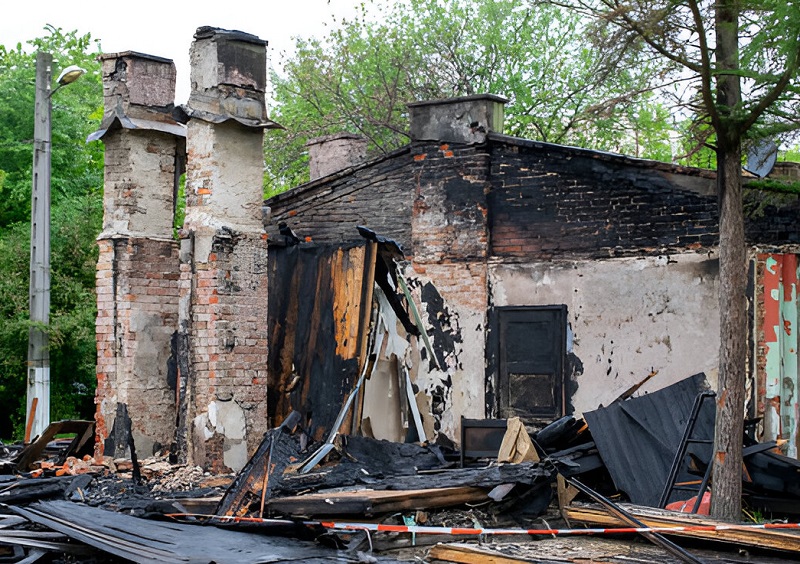
Engaging a public adjuster transforms a complex insurance claim into a structured, managed project. The process begins when you authorize them to act on your behalf through a formal contract.
The agreement establishes a contingency fee, a percentage of the final settlement that aligns their success directly with yours. They then notify your insurance company, becoming the single point of contact and immediately shifting the burden of claim management from you to them.
Emergency Response And Scene Preservation Protocols
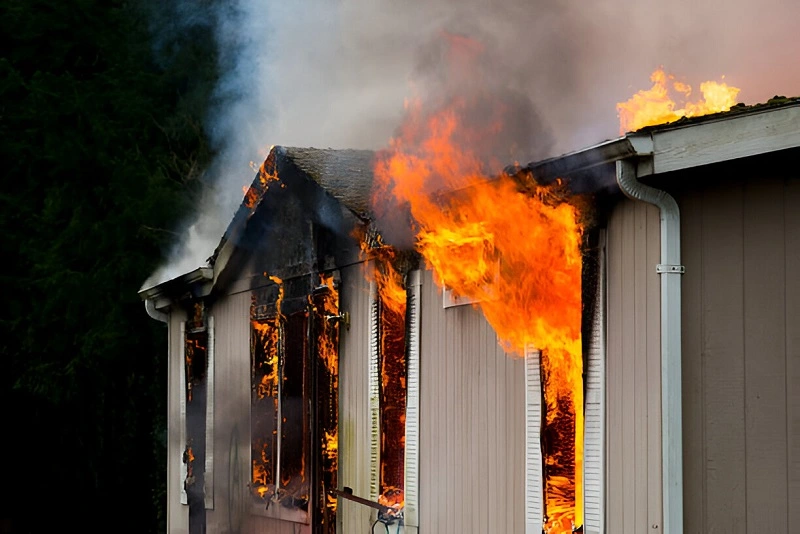
In the immediate aftermath of a fire, a public adjuster’s first priority is controlling the scene to protect your claim. They guide you in fulfilling policy obligations, like securing the property, without accidentally discarding crucial evidence.
The initial phase ensures the scene is preserved for a thorough, independent investigation. Their presence prevents improper cleanup that could destroy proof of the fire’s origin and path, which is essential for documenting the full scope of the loss.
Comprehensive Documentation And Evidence Collection Strategies
A successful claim is built on irrefutable proof of loss. While the insurer sends its own adjuster, your public adjuster conducts a separate, more detailed inspection with only your interests in mind. They thoroughly document all damage, creating itemized inventories of everything from specialized machinery to raw material stock.
To confirm the claim’s value, they assemble a team of independent experts—structural engineers, industrial hygienists, and contractors—to provide precise, defensible estimates for all costs.
Policy Language Interpretation And Coverage Maximization Techniques
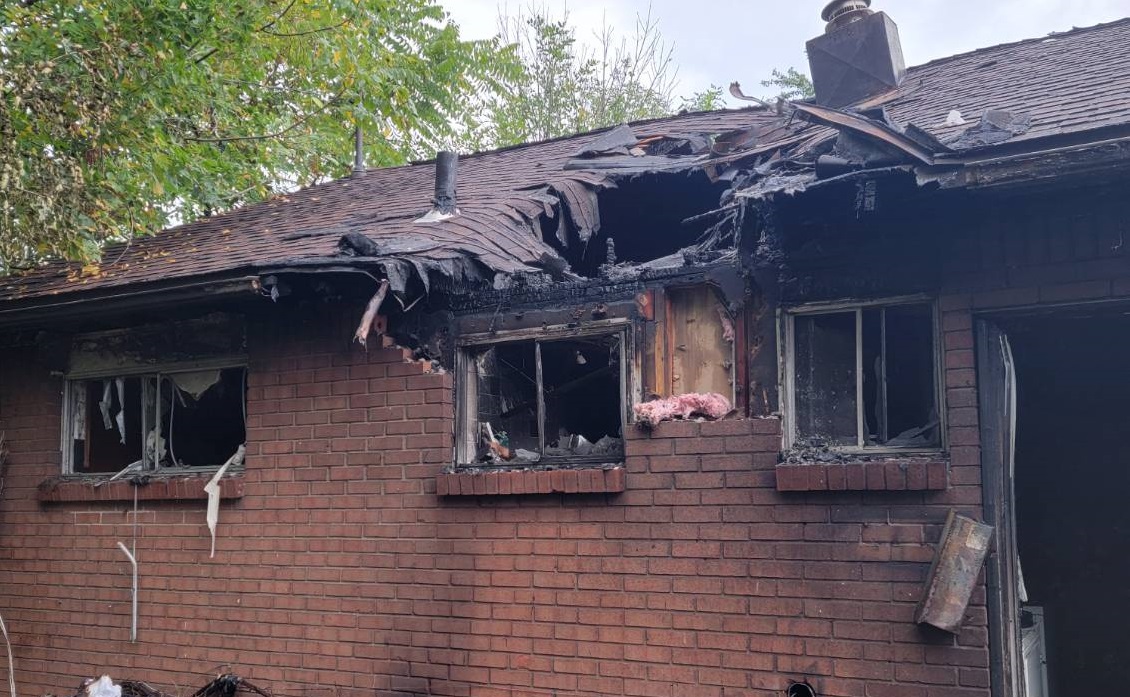
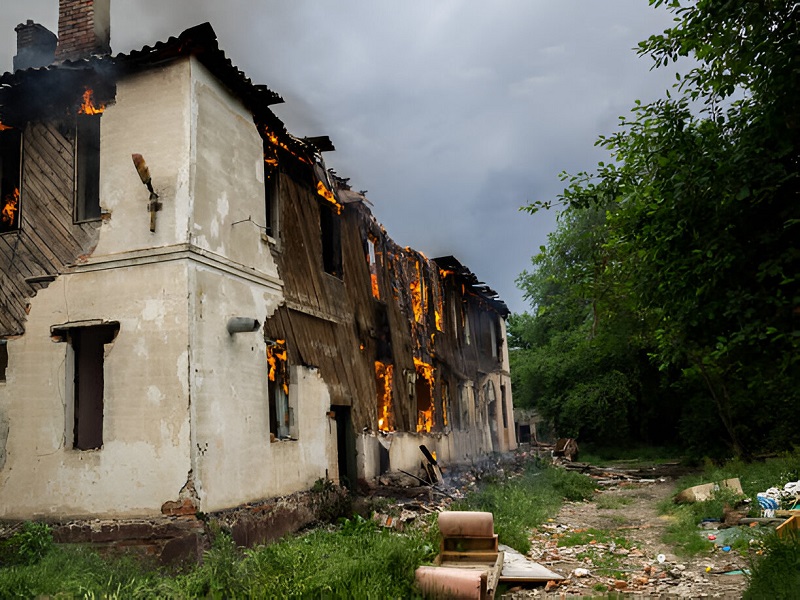
A commercial insurance policy is a dense contract filled with specific definitions and exclusions. A public adjuster’s expertise is in interpreting this language to your advantage. They perform a detailed policy review to identify every applicable area of coverage, often finding compensation sources beyond obvious property damage. This includes leveraging clauses for:
• Business Interruption: Proving the full extent of lost income and operational downtime.
• Extra Expense: Documenting costs for temporary relocation or outsourcing to minimize the shutdown period.
• Ordinance or Law: Identifying coverage for the increased cost of rebuilding to meet stricter, current building codes.
By understanding the subtleties of your policy, they ensure no potential compensation is overlooked, maximizing the total value of your claim.
Professional Negotiation Tactics And Settlement Optimization
Armed with exhaustive evidence, the public adjuster submits a formal “Sworn Statement in Proof of Loss” to the insurance company. This document presents your entire claim with all supporting data.
From this point, they handle all communications and negotiations. This is a data-driven process where your adjuster methodically disputes low valuations or unfair denials, using evidence to justify every dollar claimed.
Once an optimal settlement is reached, they review the final offer with you before acceptance. The process concludes when the insurer issues payment, from which the adjuster’s pre-agreed fee is paid, ensuring they are compensated only after successfully delivering for you.
Investment Analysis And Selection Criteria For Commercial Fire Public Adjusters
Choosing a commercial fire public adjuster is a pivotal decision in your business’s recovery. This professional becomes your dedicated financial advocate, strategist, and negotiator.
The right partnership can mean the difference between a settlement that covers only the basics and one that facilitates a full, robust recovery. A careful evaluation of their fee structure, qualifications, and professional approach is therefore essential.
Fee Structures And Return On Investment Calculations
The financial arrangement with a public adjuster is structured as a partnership, not a traditional service fee. Most operate on a contingency basis, meaning you face no upfront costs. Their compensation is a pre-agreed percentage of the final insurance settlement they secure on your behalf.
For large commercial fire claims, this fee typically ranges from 5% to 15%, often on a sliding scale where the percentage decreases as the settlement value increases. This fee should be viewed as an investment in expertise, not an expense.
The return on investment becomes clear when you compare the net settlement—the total amount recovered minus the adjuster’s fee—against what you might have recovered alone. A skilled adjuster’s ability to identify hidden damages and expertly negotiate can result in a final settlement that far outweighs their fee.
Essential Qualifications And Experience Evaluation Methods
Not all adjusters are equipped to handle the nuanced details of a commercial fire loss. Your vetting process should be rigorous and focus on specific, verifiable credentials. Key qualifications to look for include:
• Licensing and Bonding: Verify the public adjuster is licensed and in good standing within the state where the loss occurred. This information is typically available through your state’s Department of Insurance website.
• Specialized Experience: Look for a proven track record with large-loss commercial fire claims, as they require a distinct skill set compared to residential claims. Inquire about their experience with businesses in your industry, which is essential for precisely calculating business interruption and other specialized losses.
• Professional Designations: Membership in organizations like the National Association of Public Insurance Adjusters (NAPIA) demonstrates a commitment to a professional code of ethics. Advanced designations like Certified Professional Public Adjuster (CPPA) or Senior Professional Public Adjuster (SPPA) signal a higher level of expertise.
Always ask for and check references from previous commercial clients, especially those who have navigated a similar fire loss. Their firsthand accounts provide invaluable insight into the adjuster’s process and effectiveness.
Contract Terms And Performance Guarantees Assessment
The contract you sign is a legally binding document that will govern your professional relationship. Thoroughly examine the document before signing.
The agreement should clearly state the exact fee percentage, specify which parts of the claim the fee applies to, and outline the cancellation policy. A reputable public adjuster will also provide a clear communication plan, so you know who your point of contact is and how frequently you will receive updates.
Be wary of any adjuster who pressures you to sign immediately or has conflicts of interest, such as financial ties to specific restoration companies. Their sole fiduciary duty must be to you.
Geographic Expertise And Local Market Knowledge Requirements
An effective public adjuster must possess more than just insurance knowledge; they need a thorough understanding of the local economic context and regional market conditions.
The local expertise of public adjusters is critical for creating accurate and defensible repair and rebuilding estimates. This includes familiarity with regional labor rates, the cost of materials, and the specific requirements of local building codes.
An adjuster with established relationships with respected local contractors and engineers can assemble a team to build a claim that reflects the true cost of your recovery. This on-the-ground knowledge leaves no room for the insurance company to dispute the numbers based on generic national averages.
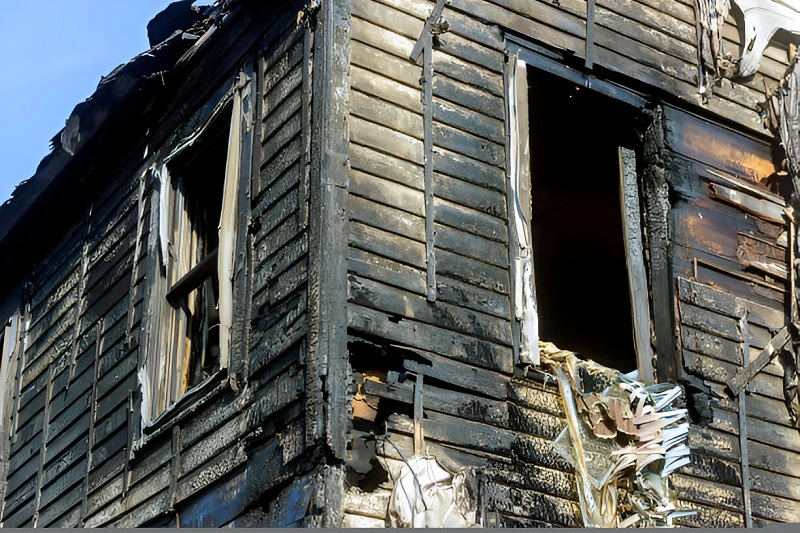
Maximizing Commercial Fire Insurance Settlements And Avoiding Common Pitfalls
Securing a fair insurance settlement is an active, strategic process, not a passive one. The path from filing a claim to receiving payment is lined with pitfalls that can significantly reduce your financial recovery.
Maximizing your settlement requires a strategic approach centered on meticulous documentation, expert analysis, and a thorough understanding of your policy’s full potential. Avoiding common mistakes is just as critical as taking the right steps.
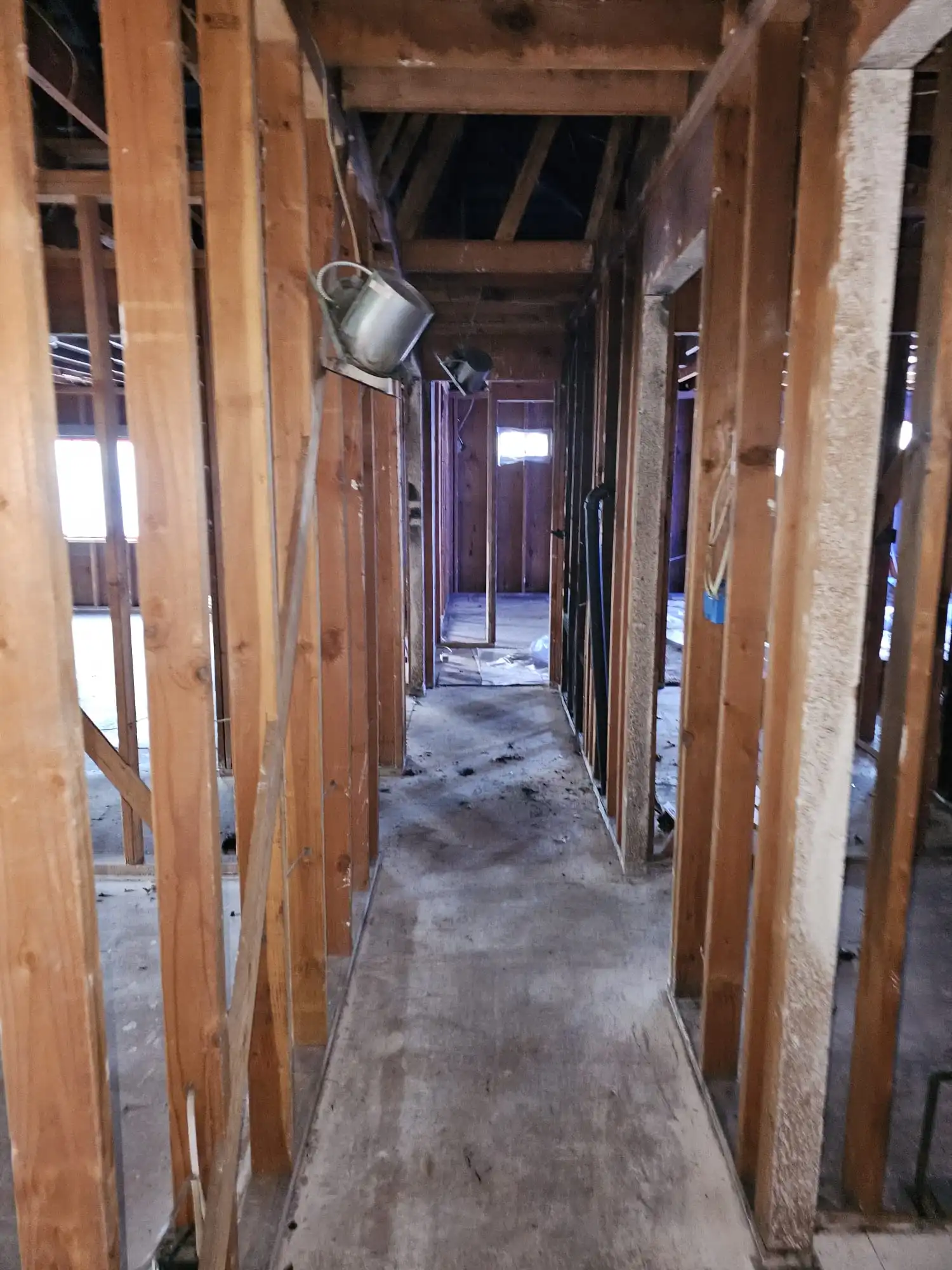
Industry-Specific Damage Assessment Considerations
A fire in a restaurant presents entirely different challenges than one in a manufacturing plant. An insurance company’s adjuster may apply a generalized approach, but a fair settlement depends on industry-specific details. A true valuation must account for factors like:
• The replacement cost of specialized machinery.
• The financial loss of perishable inventory.
• The unique costs of rebuilding a commercial kitchen to the current code.
A public adjuster creates a detailed, room-by-room inventory of all business property, equipment, and stock. They often use specialized software to ensure every item is valued at its correct replacement cost and also commission a detailed building estimate reflecting current construction costs, which are often much higher than the property’s original purchase price
Hidden Damage Identification And Secondary Loss Prevention
The most visible fire damage is often not the most expensive. Smoke, soot, and water from firefighting can permeate a structure, causing corrosion, electrical system failures, and persistent odors that make a property unusable.
Policyholders frequently overlook these hidden damages, but a public adjuster knows to engage experts like industrial hygienists to identify and quantify this contamination. A critical pitfall to avoid is the premature disposal of damaged property.
Before anything is discarded, it must be fully documented and inspected by all parties. Disposing of items too early can be interpreted as destroying evidence, jeopardizing your ability to claim their full value.
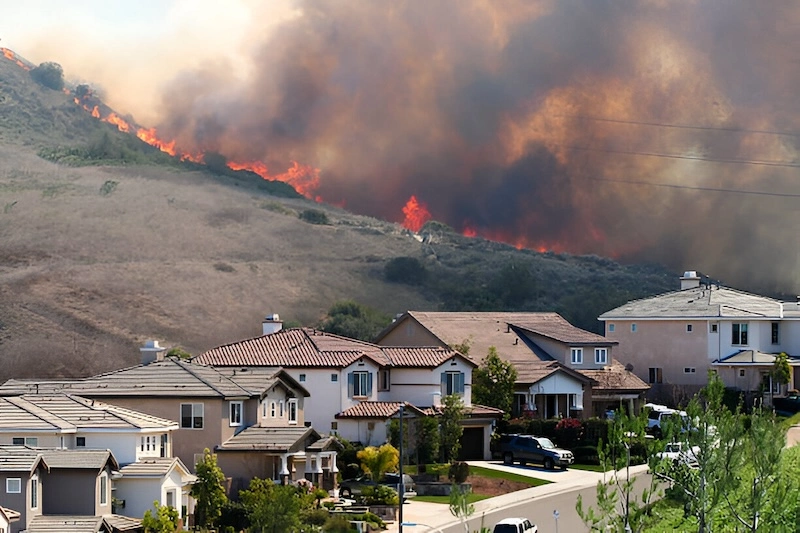
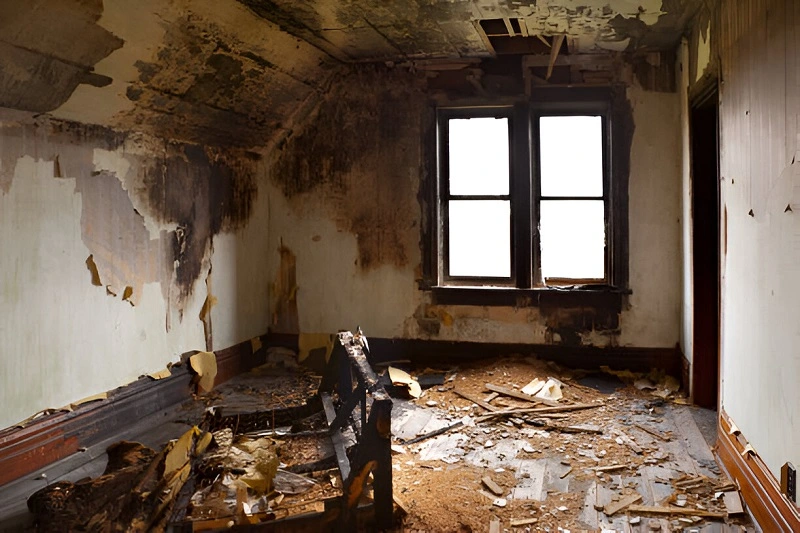
Multi-Policy Coordination For Complex Commercial Properties
Many commercial properties are covered by a complex web of insurance policies. Coverage can be spread across building insurance, business personal property, tenants’ improvements, and separate policies for specific equipment.
A common and costly mistake is accepting an insurance company’s initial settlement offer without an independent review. These offers may fail to account for all applicable coverages or the interplay between different policies.
A public adjuster thoroughly reviews every policy and endorsement to uncover all sources of recovery. This includes often-missed provisions for debris removal, code upgrades, and extra expenses incurred to maintain operations.
Long-Term Business Impact Mitigation And Recovery Planning
The ultimate goal of a commercial fire claim is to make the business whole, a process that extends far beyond repairing the building. One of the most significant pitfalls is underestimating business interruption (BI) losses.
The coverage is not just for lost profits; it is meant to cover continuing expenses you must pay even while closed. These can include rent, key employee salaries, and loan payments.
Calculating these losses for the full period of restoration allowed by the policy is a complex forensic accounting task. It is also essential to avoid communicating incomplete or inaccurate information to the insurance company, as any inconsistency can be used to dispute the claim.
By carefully maneuvering through sophisticated negotiations and calculations, a public adjuster ensures the business’s long-term financial health is protected. This allows you to focus on recovery and strategic planning.
Frequently Asked Questions
Commercial fire public adjusters operate on a contingency fee, meaning you pay nothing up front. Their payment is a pre-agreed percentage of the final insurance settlement they secure for you.
The fee is only paid after the insurance company issues payment, ensuring their goals align with yours. Typical fees range from 5% to 15% of the settlement, and this rate is often negotiable on very large claims. State laws may also cap these fees, and the exact percentage must be detailed in your written contract
Yes, in many situations, a public adjuster can intervene even after a claim is denied or settled. They will conduct a detailed review of your policy, the initial damage report, and the insurer’s valuation.
If they discover your claim was wrongfully denied or significantly underpaid, they can reopen it with new evidence. They will then negotiate for a supplemental payment or a reversal of the denial. It is critical to act quickly, as state laws set firm deadlines for challenging an insurance decision.
When choosing a commercial fire public adjuster, focus on several key qualifications.
• Licensing: Ensure they are licensed and bonded in the state where the fire occurred, which you can confirm with your state’s Department of Insurance.
• Experience: Look for extensive, specific experience with commercial fire claims, as they are significantly more complex than residential losses.
• Ethics: Membership in professional groups like the National Association of Public Insurance Adjusters (NAPIA) signals a commitment to industry standards.
• Allegiance: A reputable adjuster works exclusively for policyholders—never for insurance companies—to avoid any conflict of interest. They should also provide references from past commercial clients.
The timeline for a commercial fire claim varies widely based on the complexity of the damage and the responsiveness of your insurance carrier. There is no standard duration for the process.
While a public adjuster’s thorough documentation may add time to the initial phase, it often accelerates the overall timeline by preventing disputes and repeated information requests from the insurer. A straightforward claim might resolve in a few months, but a major loss could take a year or more to settle fairly.
Hiring a public adjuster should not delay your physical reconstruction; in fact, it can help create a smoother recovery. A key part of their role is securing advance or partial payments from the insurance company.
The funds allow you to begin immediate cleanup and repairs while the rest of the claim is adjusted. By ensuring you receive an adequate settlement, a public adjuster helps prevent the most common reconstruction delay: running out of money before the project is complete.
Conclusion
Guiding a business through financial recovery after a commercial fire often tests an owner’s resilience when confronting the substantial resources of their insurance carrier.
A commercial fire public adjuster levels this playing field, serving as a licensed professional whose sole allegiance is to your business interests. They manage the entire claims burden on your behalf. This detailed advocacy covers: Thoroughly documenting property damage and business interruption losses
• Interpreting complex policy language to ensure all coverage is identified.
• Expertly negotiating the settlement with the insurance company.
The approach frees you to concentrate on rebuilding your operations. It can also result in a substantially higher settlement, ensuring you have the capital needed for a full recovery. The strategic advantages are most potent when an adjuster is engaged early in the process. Selecting a professional with proven commercial fire claims experience is critical.
Ultimately, a public adjuster is more than a claims specialist. They are an essential partner in safeguarding your business’s assets and securing its future.